In a freshwater pearl farm, each mussel is implanted with 24 to 32 tiny pieces of mantle tissue, a process called nucleation. Once the tissue is implanted, a sac-like structure forms, and cells begin to secrete nacre, ultimately forming a calcium carbonate compound—the pearl. Over a period of 2 to 7 years, the mussel deposits nacre layer by layer around the pearl, with more than twenty pearls typically forming within each shell's interior.
Freshwater pearls are primarily cultured commercially from the Chinese triangle mussel (Hyriopsis cumingi) and the Biwa mussel (Hyriopsis schlegeli). Additionally, other bivalve species can be found in lakes, riverbeds, and stream bottoms in Japan (Biwa pearls and Kasumigaura pearls) and the United States (Mississippi River basin). Although most freshwater pearl sources list pearl-producing mussels from around the world, the global freshwater pearl market is almost entirely dominated by Chinese pearl farms, with nearly all freshwater pearls currently sold originating from China.
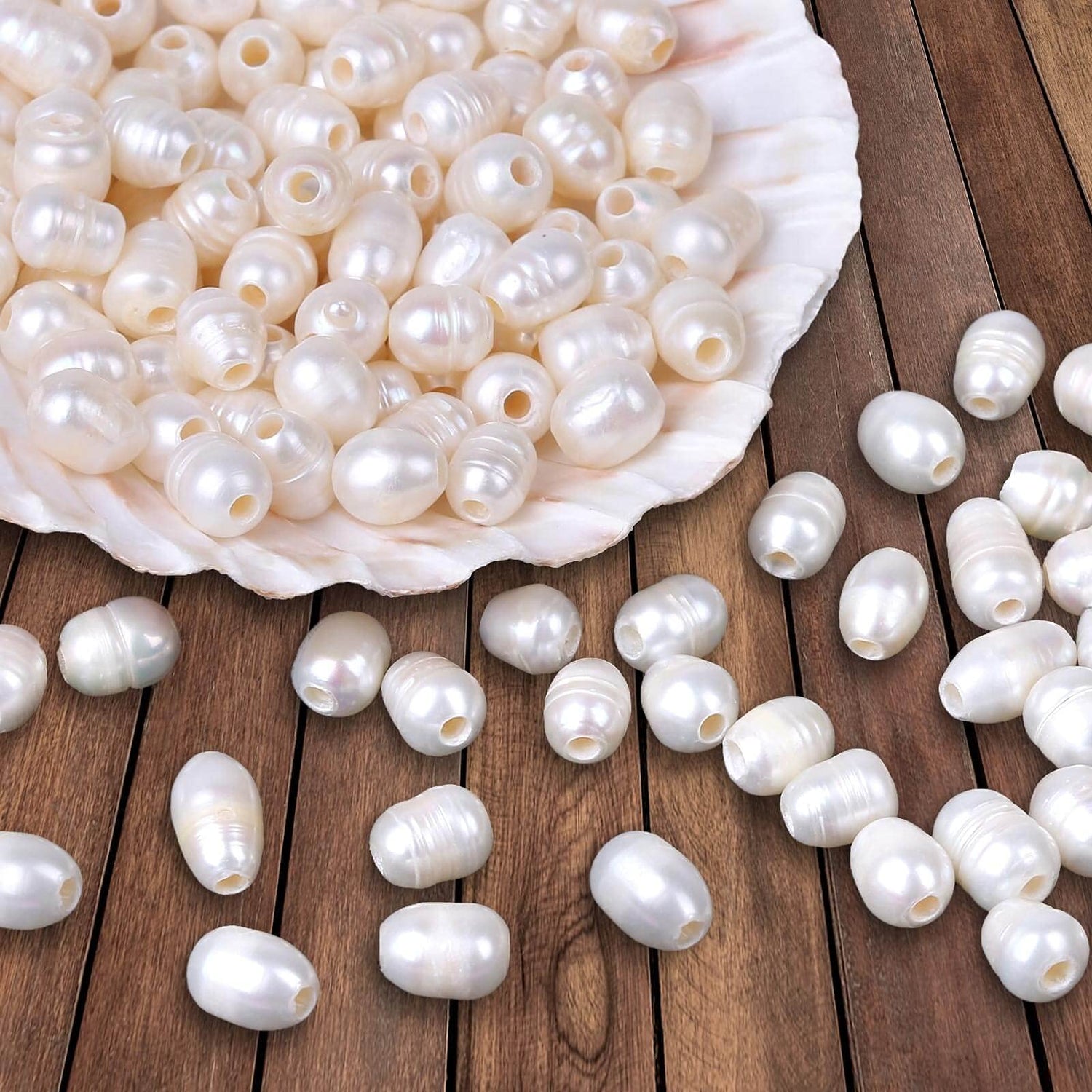
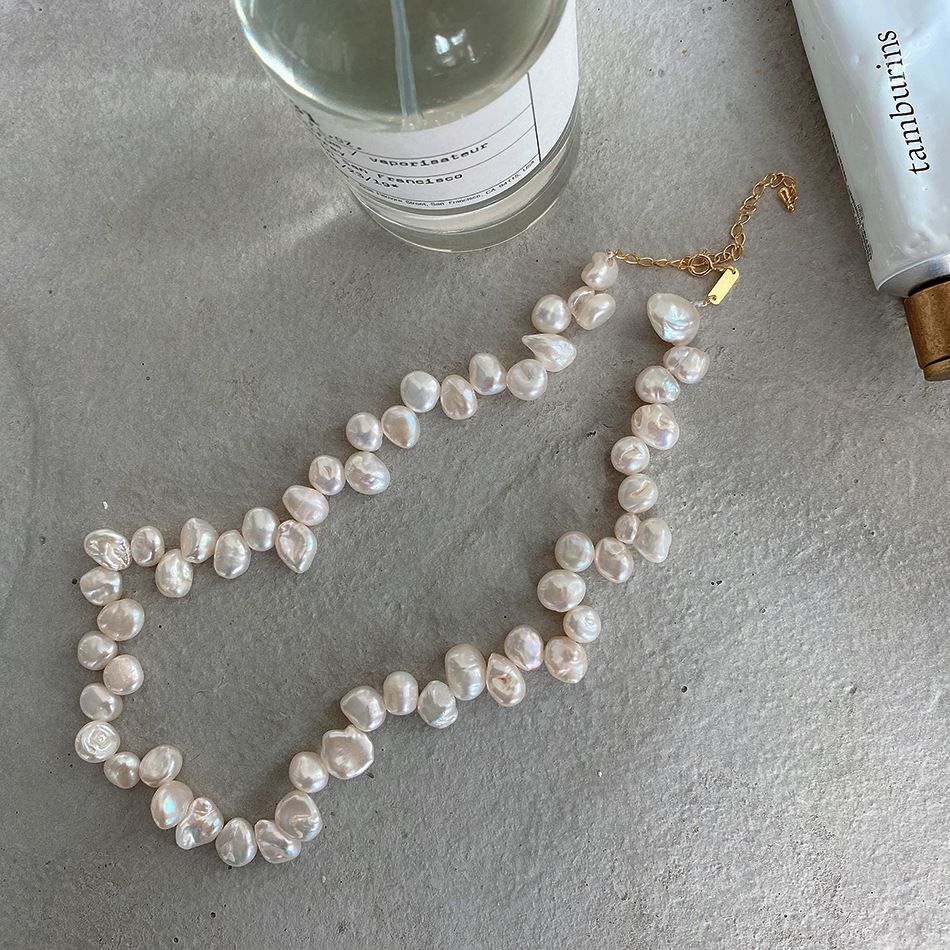
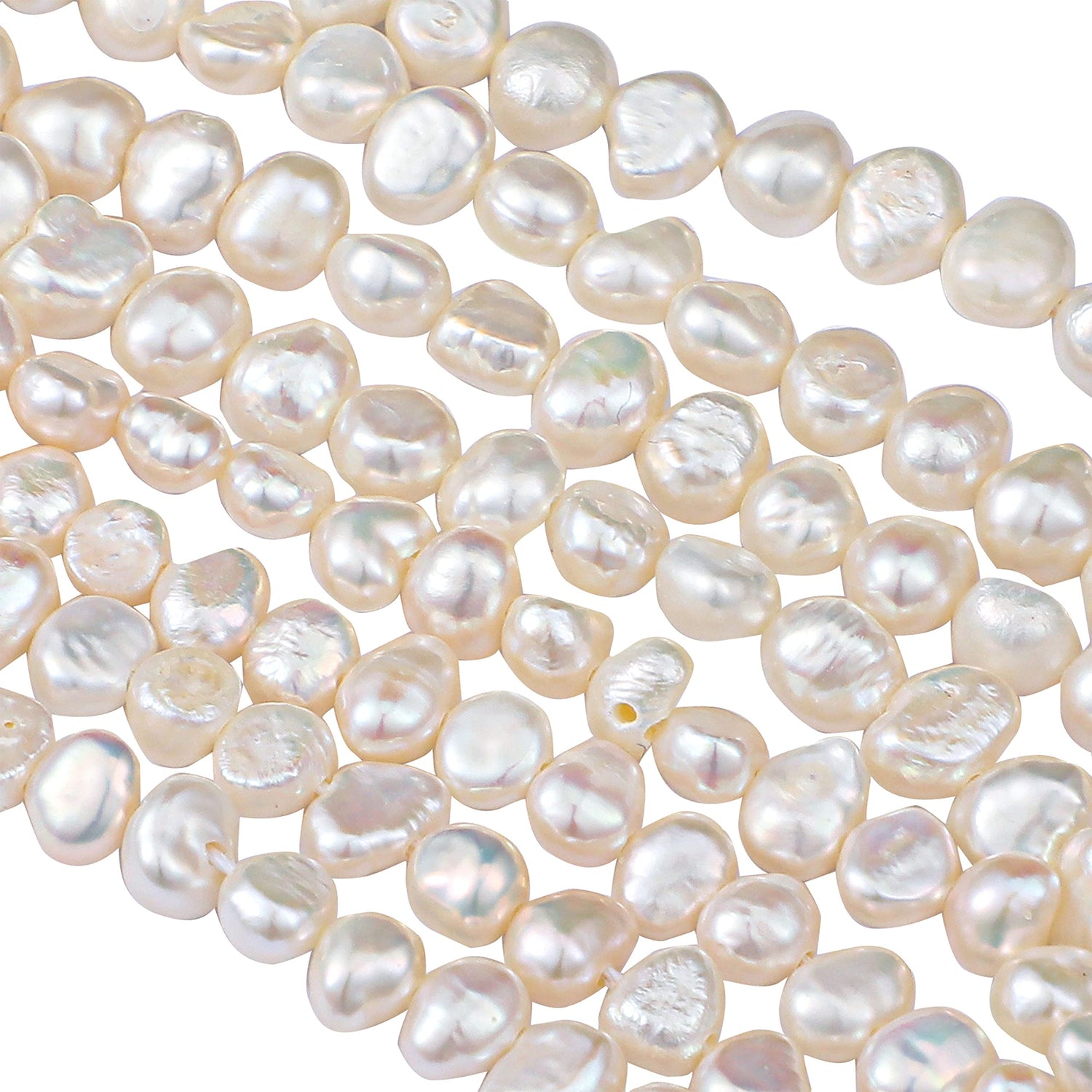
Because their color, shape, and size are more varied than any other type of pearl, freshwater pearls are often used in exquisite designer jewelry. In addition to traditional white, these pearls also have a rainbow of natural soft hues, such as lavender, pink, and various colors in between. Most information about freshwater pearls mentions their varied shapes, including potato and stick pearls, rice and button pearls, coin and drop pearls, and off-round and round pearls. Their size range is also very wide, from small pearls with a diameter of only 1 or 2 mm to pearls with a diameter of 15 mm or even larger.